

Border Lab 2.0 Student Fellowships Expand Experiential, Cross-Border Learning at the University of Arizona

CCI
The Confluencenter for Creative Inquiry continues to advance the University of Arizona’s leadership in borderlands research and education through the Border Lab Student Fellowships, a program rooted in interdisciplinary scholarship, community engagement, and experiential learning.
Originally launched in 2021 as the Border Lab Graduate Fellowship program, evolved into Border Lab 2.0, expanding to include undergraduate Honors students, with a particular focus on Native and Indigenous students through a partnership with the W.A. Franke Honors College.
“This fellowship was designed to move beyond the classroom and into the lived realities of the borderlands,” said Dr. Javier Duran, Director of the Confluencenter for Creative Inquiry. “By centering Indigenous knowledge, community partnerships, and experiential learning, Border Lab creates meaningful academic pathways while honoring the histories, cultures, and relationships that define this region.”

Border Lab 2.0 announcement
The 2025 Border Lab 2.0 cohort brought together six Native and Indigenous Honors students representing tribal nations from White Mountain Apache Tribe, Navajo Nation, Kaw Nation, Rosebud Sioux Tribe, Native Hawaiian, and Mescalero Apache Tribe, with academic interests spanning STEM, social sciences, and the humanities.
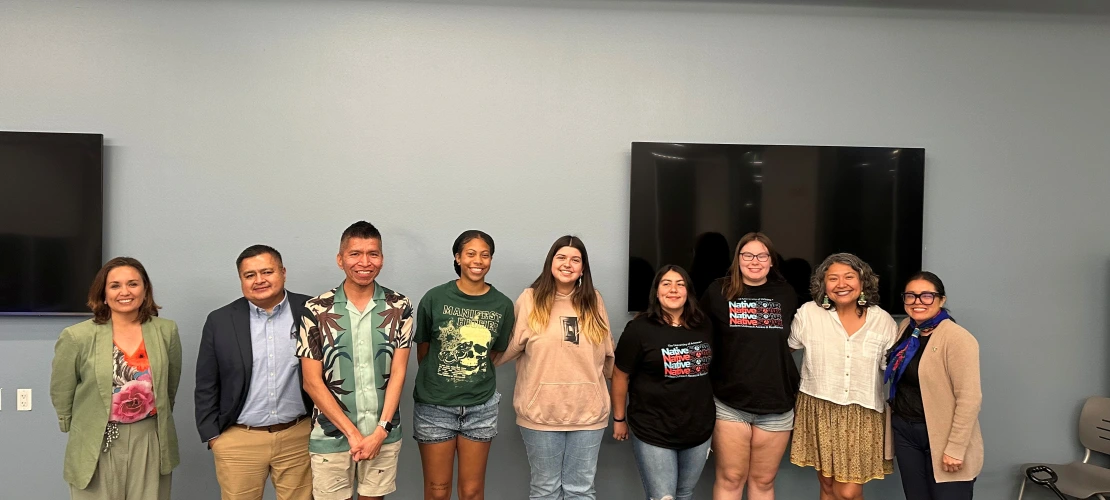
Throughout the fellowship, students participated in four on-campus sessions featuring Indigenous scholars, educators, and campus leaders, alongside reflective journaling and mentorship. These sessions explored borderlands as both geographic and cultural spaces, highlighting themes of belonging, resilience, and community-based knowledge.
One on-campus session, Creating Knowledge: Community and Academia in the Borderlands, introduced fellows to Indigenous-led initiatives advancing student support at the UA. The session featured Dr. Jeremy Garcia, Director of the Indigenous Teacher Education Program (ITEP), and Felise Tagaban, Director of Native SOAR, who alongside two Native SOAR student leaders shared how their programs center Indigenous students through mentorship, community engagement, and culturally grounded practices.
A centerpiece of the fellowship was a one-day experiential learning trip to Nogales, Sonora, developed in collaboration with the Technological University of Nogales (UTN), the Technological University of Etchojoa (UTE), and supported by the Sonoran Secretary of Education and Culture.

UTE, UTN, and U of A Staff and Students


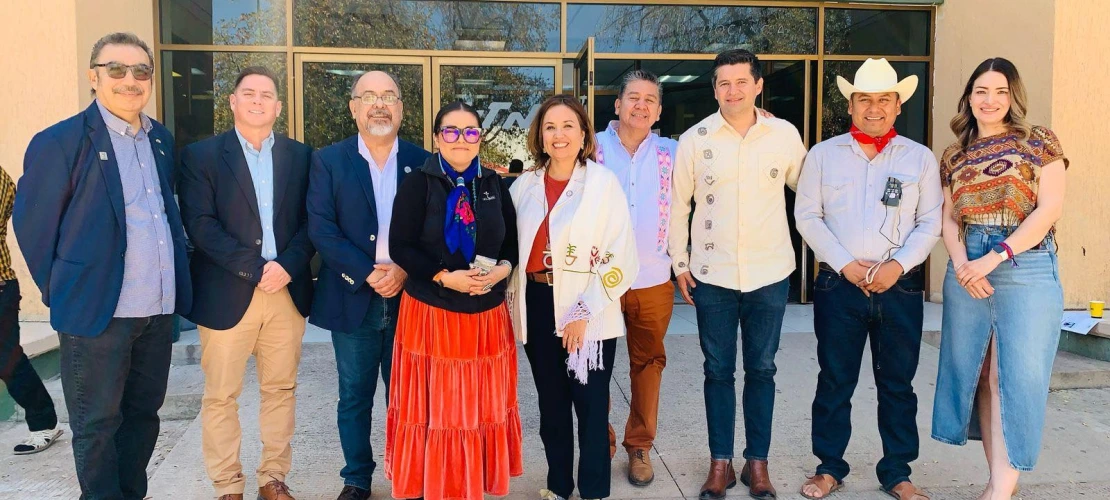


The binational gathering brought together more than 70 students, faculty, university leaders, and Indigenous community members from the Mayan and the Navajo Nation for lectures, cultural exchange, traditional foods, and dialogue across borders.
“For many of our students, this was their first time experiencing the border firsthand,” shared Nadia Alvarez Mexia, faculty lead from the W.A. Franke Honors College. “What emerged was a powerful sense of connection. Students began to see the border not as a dividing line, but as a shared space of learning, culture, and possibility.”
The fellowship concluded with a panel titled Borders, Belonging, and Becoming: Indigenous Knowledge, featuring Dr. Anabel Galindo (Yaqui), Assistant Professor of Comparative Cultural Studies at Northern Arizona University; Willow Blythe-Carroll (Muscogee Creek), Founder of Weaving Wisdom; Dr. Ofelia Zepeda (Tohono O’odham), Regents Professor of Linguistics at the University of Arizona, MacArthur Fellow, and Director of the American Indian Language Development Institute (AILDI); and Dr. Amanda Tachine (Navajo), Assistant Professor of Education Studies at the University of Oregon, who reflected on how Indigenous identities and knowledge transcend geopolitical borders and shape experiences of belonging and community.
Reflective practice played a central role throughout the fellowship. Students documented their journeys through journaling, using notebooks featuring artwork by Indigenous artists, reinforcing the program’s commitment to uplifting Indigenous voices. In their final reflections, fellows described how the experience reshaped their understanding of borders, strengthened their cultural identities, and deepened their commitment to intercultural solidarity and community engagement.
“Even when language was a barrier, we found ways to connect,” one student reflected. “Those moments taught me patience, humility, and the importance of showing up with respect and openness.”
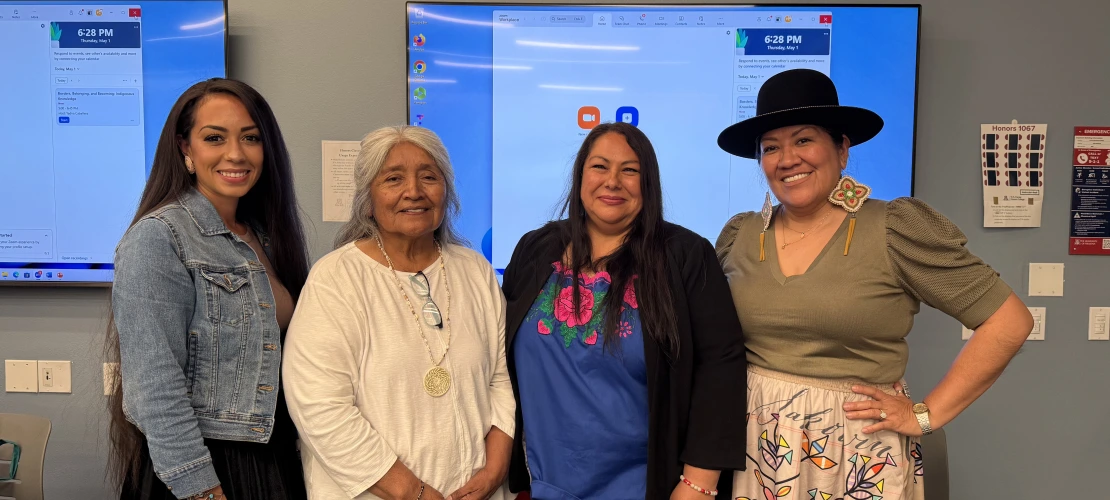
From left to right: Willow Blythe-Carroll (Muscogee Creek), Dr. Ofelia Zepeda (Tohono O’odham), Dr. Anabel Galindo (Yaqui), and Dr. Amanda Tachine (Navajo)
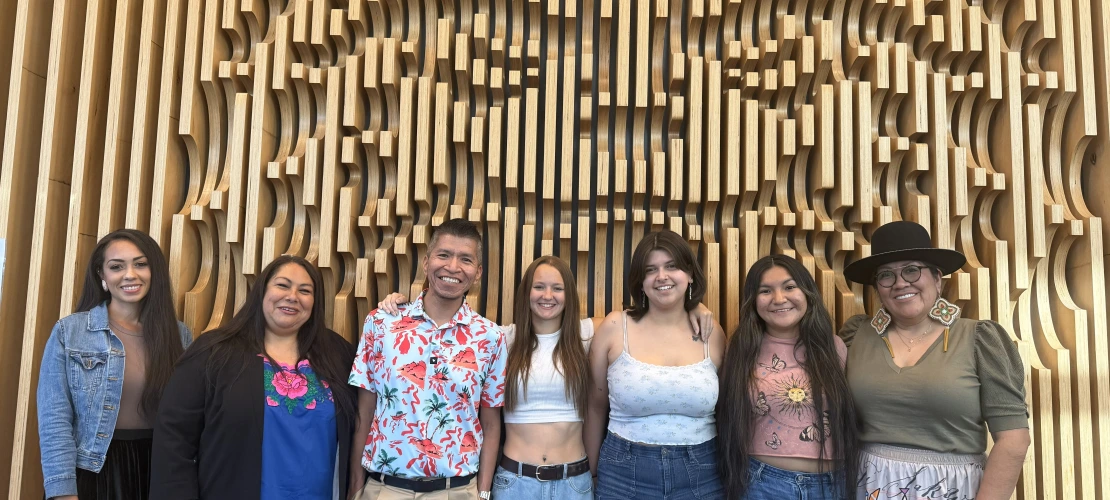


The project was highlighted at the Arizona–Mexico Commission (AMC) 66th Summit, where it was recognized as a model for cross-border collaboration that bridges higher education, community engagement, and culturally grounded pedagogy. Through continued partnerships with Mexican universities, the AMC, and campus collaborators, the Confluencenter is laying the groundwork for future growth.

Left to write: Alexandra Mora Medina, Javier Duran, Tucson Mayor Regina Romero, Nadia Alvarez, and Yadira Caballero at the Arizona-Mexico Commission’s 66th Summit
CCI
Looking ahead, the Confluencenter is developing Border Lab 3.0, a multi-tiered initiative that will expand undergraduate research pathways, graduate fellowships, faculty scholarly residencies, and postdoctoral opportunities focused on border and migration studies. These efforts aim to ensure the long-term sustainability of Border Lab while continuing to center students, community partners, and the lived experiences of the borderlands.
“Border Lab is not a one-time program,” Duran emphasized. “It’s a long-term commitment to creating ethical, community-engaged scholarship that reflects the realities of our region and prepares students to lead with care, curiosity, and responsibility.”